2026Cerement
When I fall asleep, I wrap myself in childhood memories. Together, they warm and protect me, making me cry with happiness.
In this state, I sometimes think I’m ready to go just like that, because this is the highest point.
I choose the memories I’ll use tonight to fall asleep happy.
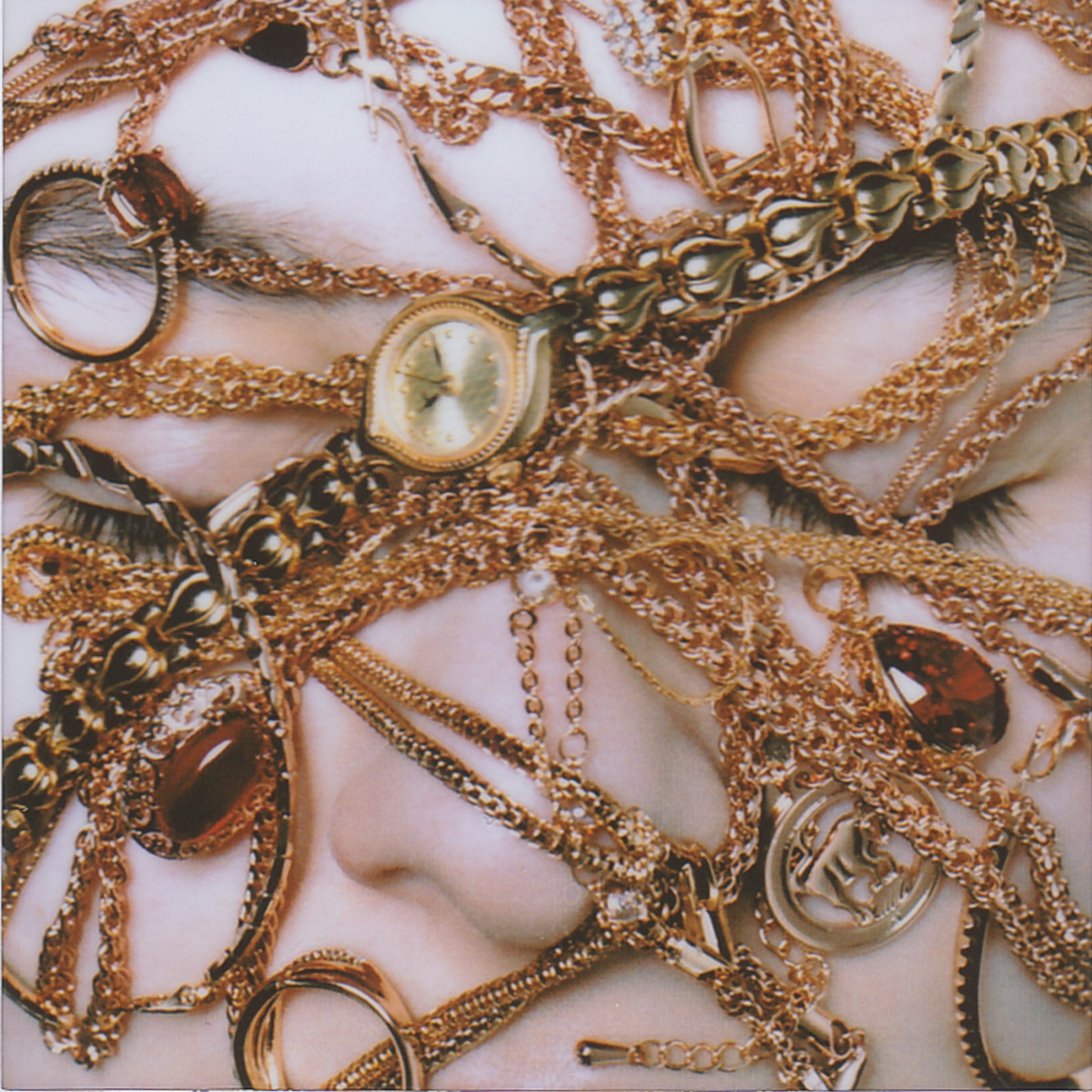
Mom lifts the family gold from a crinkling cellophane bag and spreads it across the sofa. She never wears it—she keeps it safe, for some unnamed rainy day. I study the treasure, slip on a ruby ring too large for a child’s fingers, too grand for ordinary days, and dream that when I grow up it will still be waiting for me.
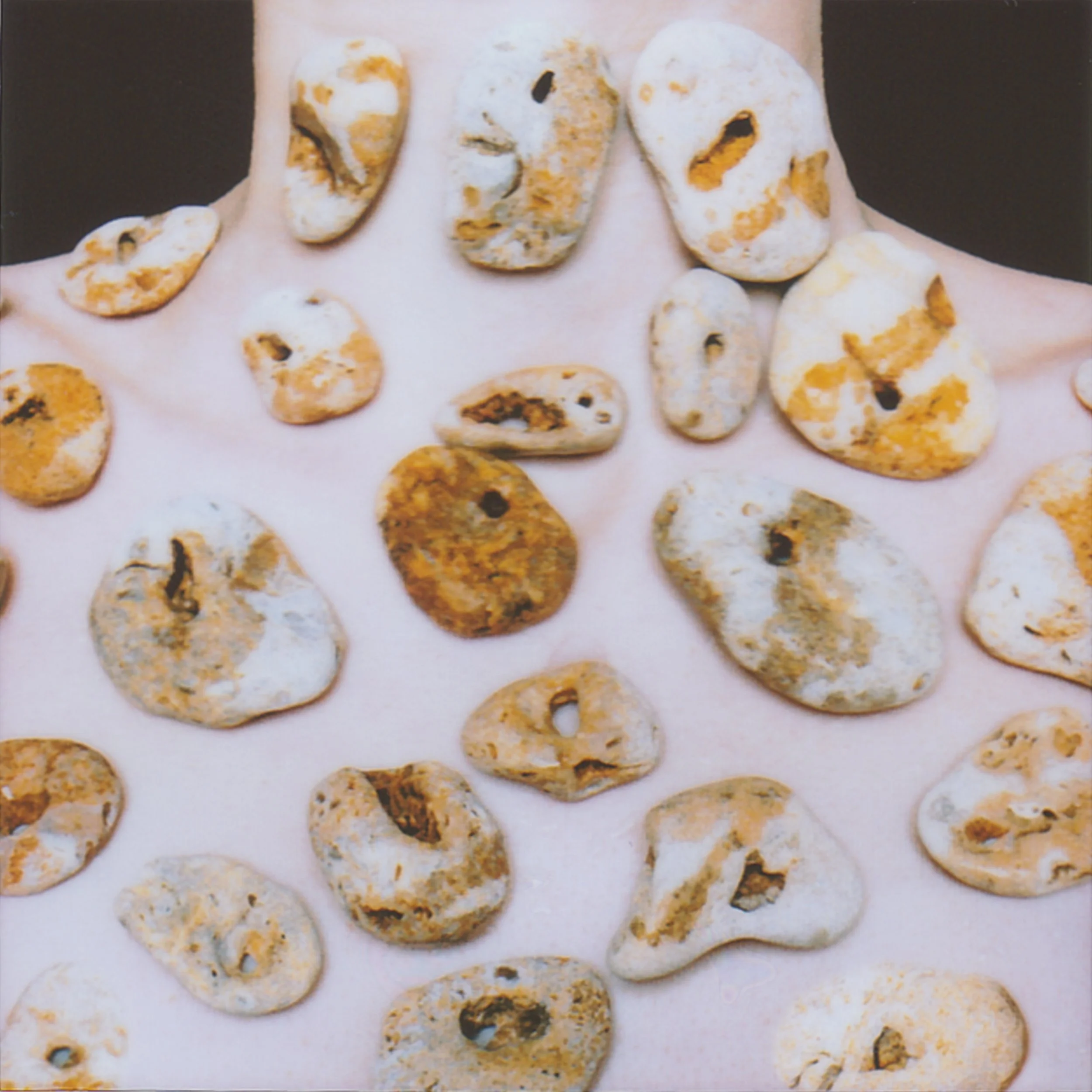
Mom and I walk along the Black Sea, searching for a stone with a hole, for luck. We peer into every centimeter of sand so we won’t miss the right stone and won’t step on a jellyfish. The sun warms my back without burning. I keep asking Mom: Does this one count? No? What about this one? Mom never wavers in her standard of luck.
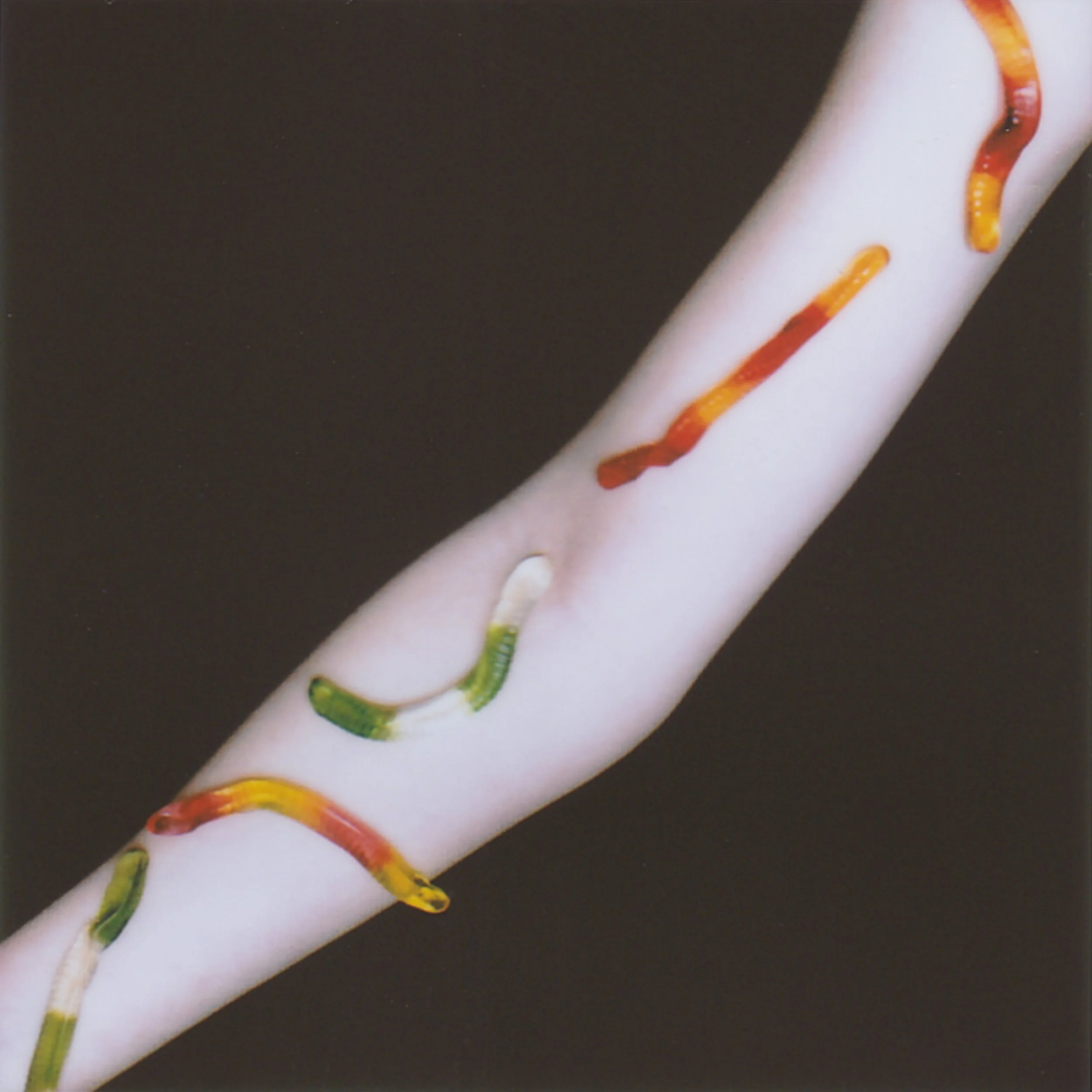
My sister comes for me at kindergarten and takes my hand, guiding me down the city’s empty main street. She asks if I know what the gesture means and flashes the middle finger. I admit I don’t. She laughs. We slip into a small grocery shop. By the register stands a jar of colorful gummy worms. She buys me one for a single hryvnia—a fortune to a five-year-old. It is long, and to my surprise, not sticky. I am deeply grateful and quietly amazed that she somehow knew I wanted it.
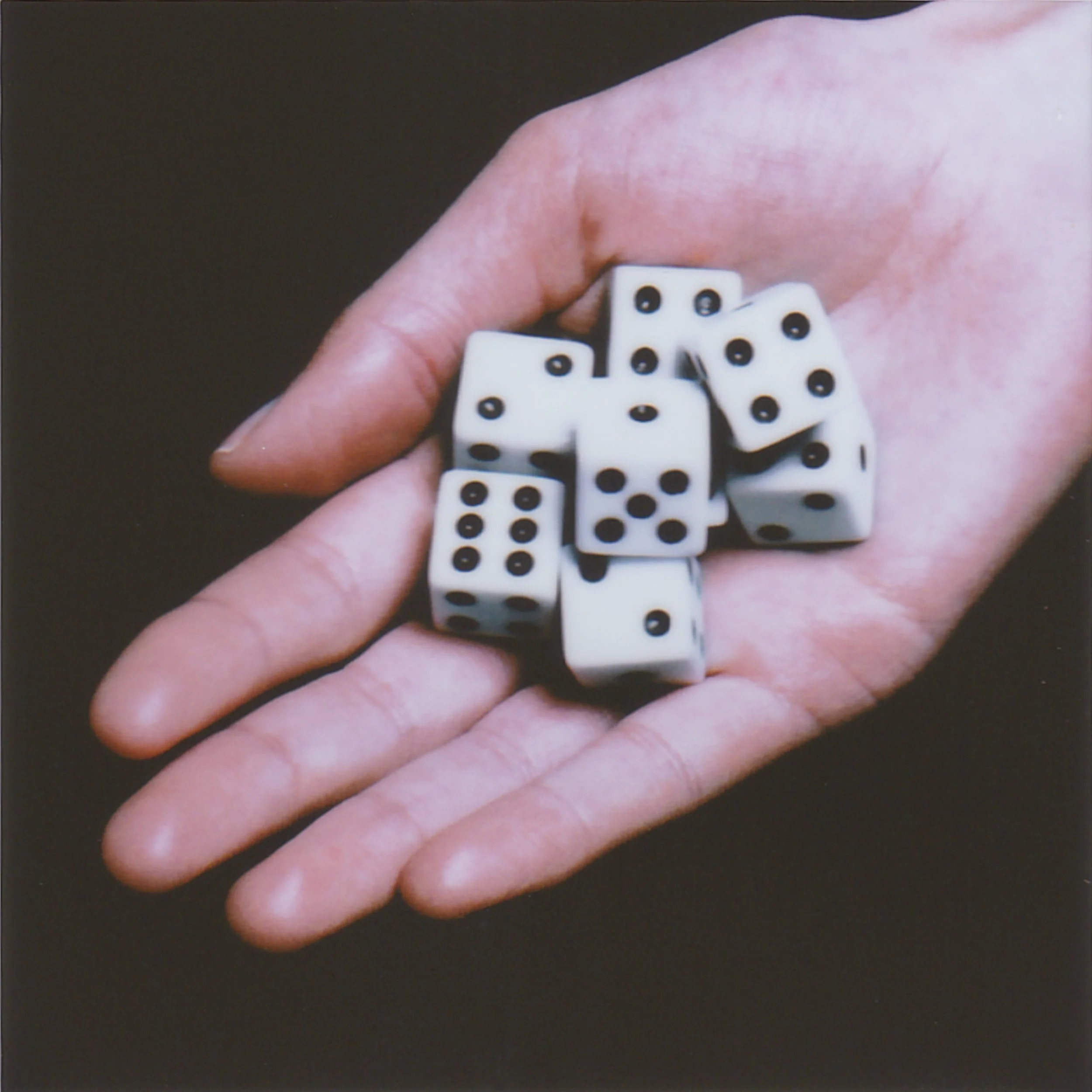
In the living room cabinet, there’s a special shelf where all the interesting things live: magazines, the remote, board games. On Saturdays, Dad usually pulls out checkers, Battleship, or a deck of cards, and we play together. I wish Mom would play too, but it doesn’t interest her as much. One day, she flips the checkers board, lines the pieces into two neat columns, and says we’re going to learn backgammon. I try very hard to play well, just to keep her there, attentive and carefree, a little longer.
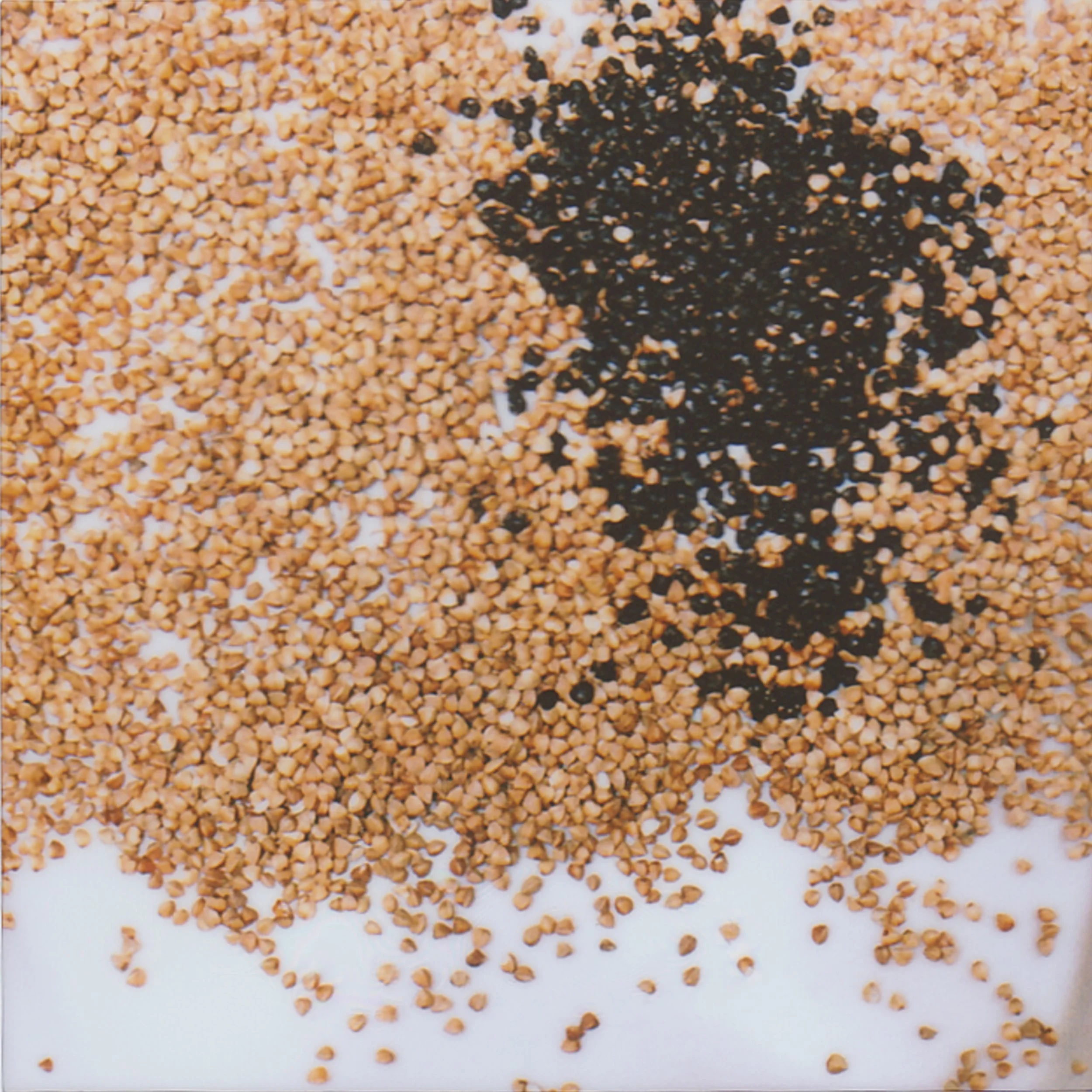
I sit on a cool kitchen stool. Buckwheat is scattered across the table in front of me, and I am asked to sort it. I like it when there are many spoiled grains; it makes me feel useful, moving the dark kernels into their own small pile.
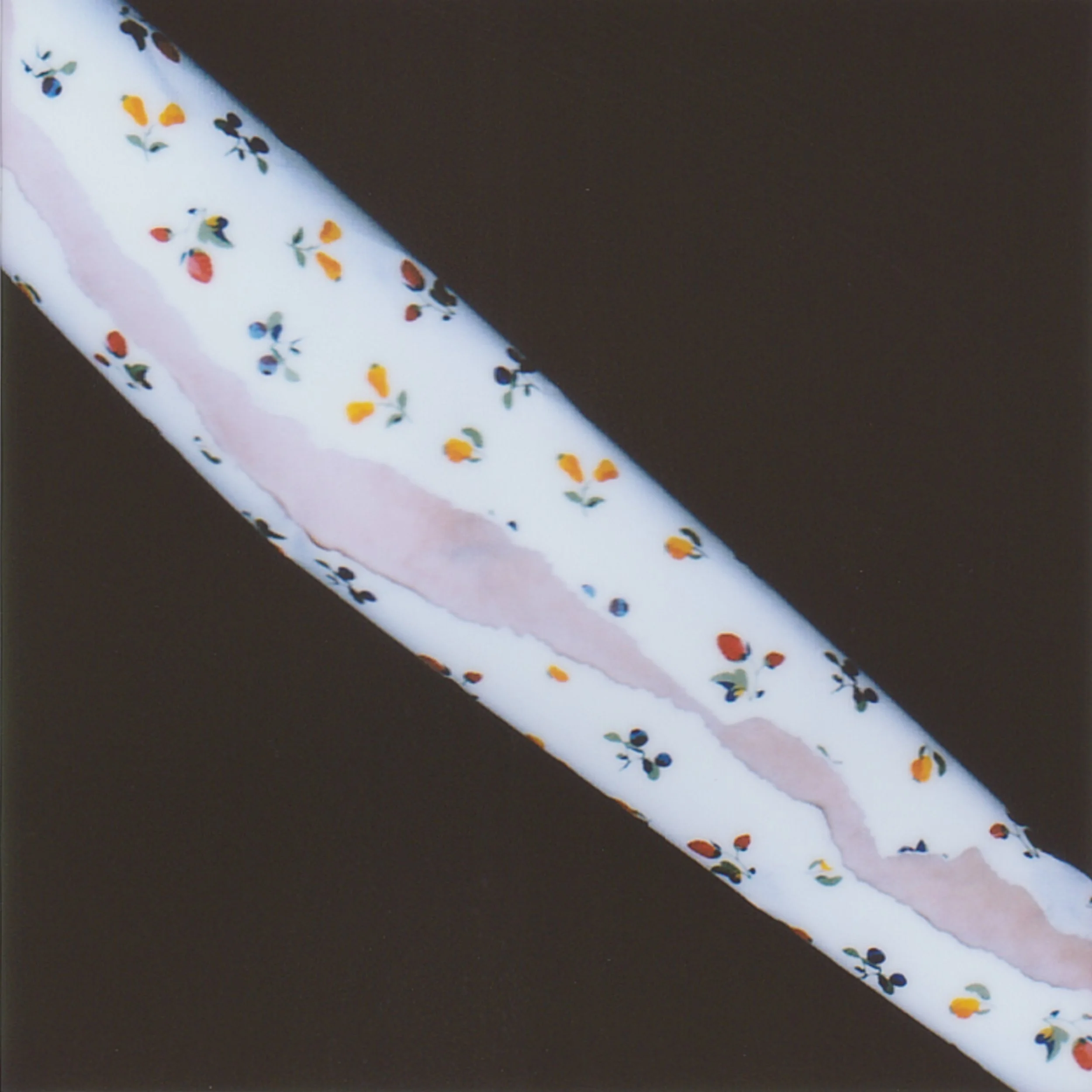
The kitchen wallpaper in Baku—small flowers, red, yellow, blue. So bright, so strange with joy, you can lose yourself just looking. At home in Luhansk, the kitchen walls are lined with dull, indifferent tile.
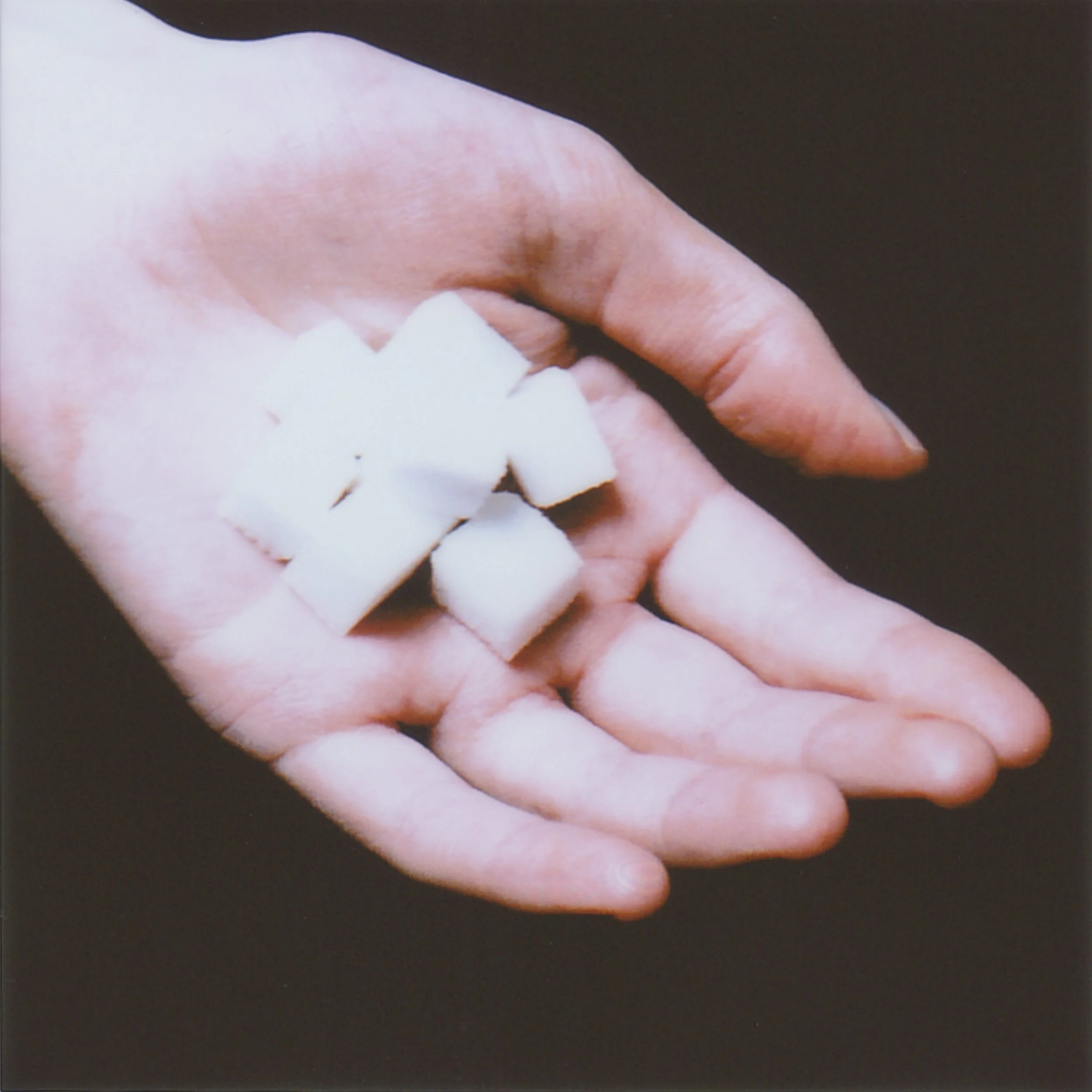
On the table stands a little bowl of sugar cubes. I watch grandpa drink tea and eat sugar. I want to imitate him because I admire and respect him so much. He is tall, gray-haired; everyone says he is very intelligent and strict—but with me, he is kind.
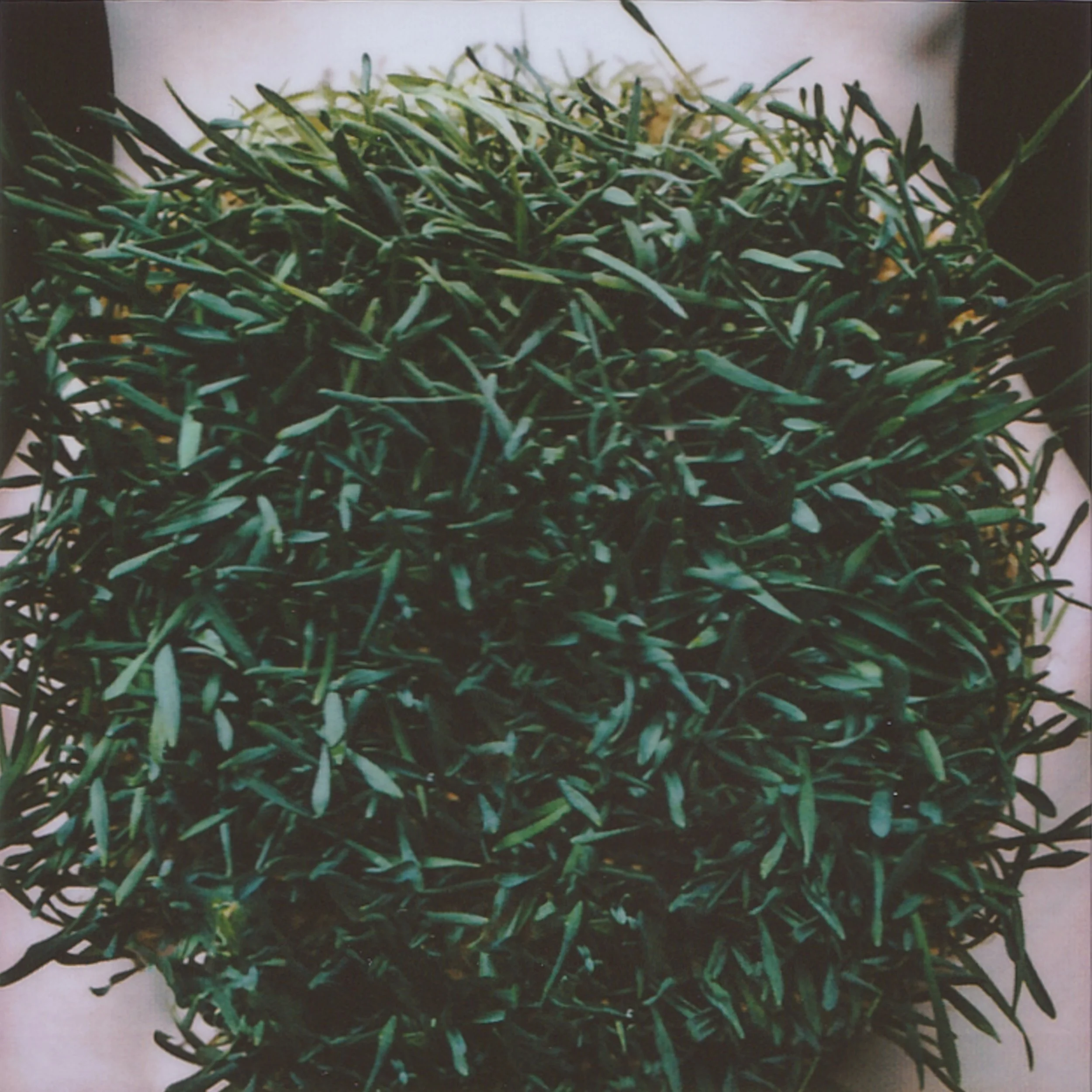
In spring, a plate appears on the windowsill, one that must be handled carefully. In the plate, seeds somehow grow on their own, without soil, their roots tightly intertwined with each other. Mom worries whether they will sprout in time for Nowruz.
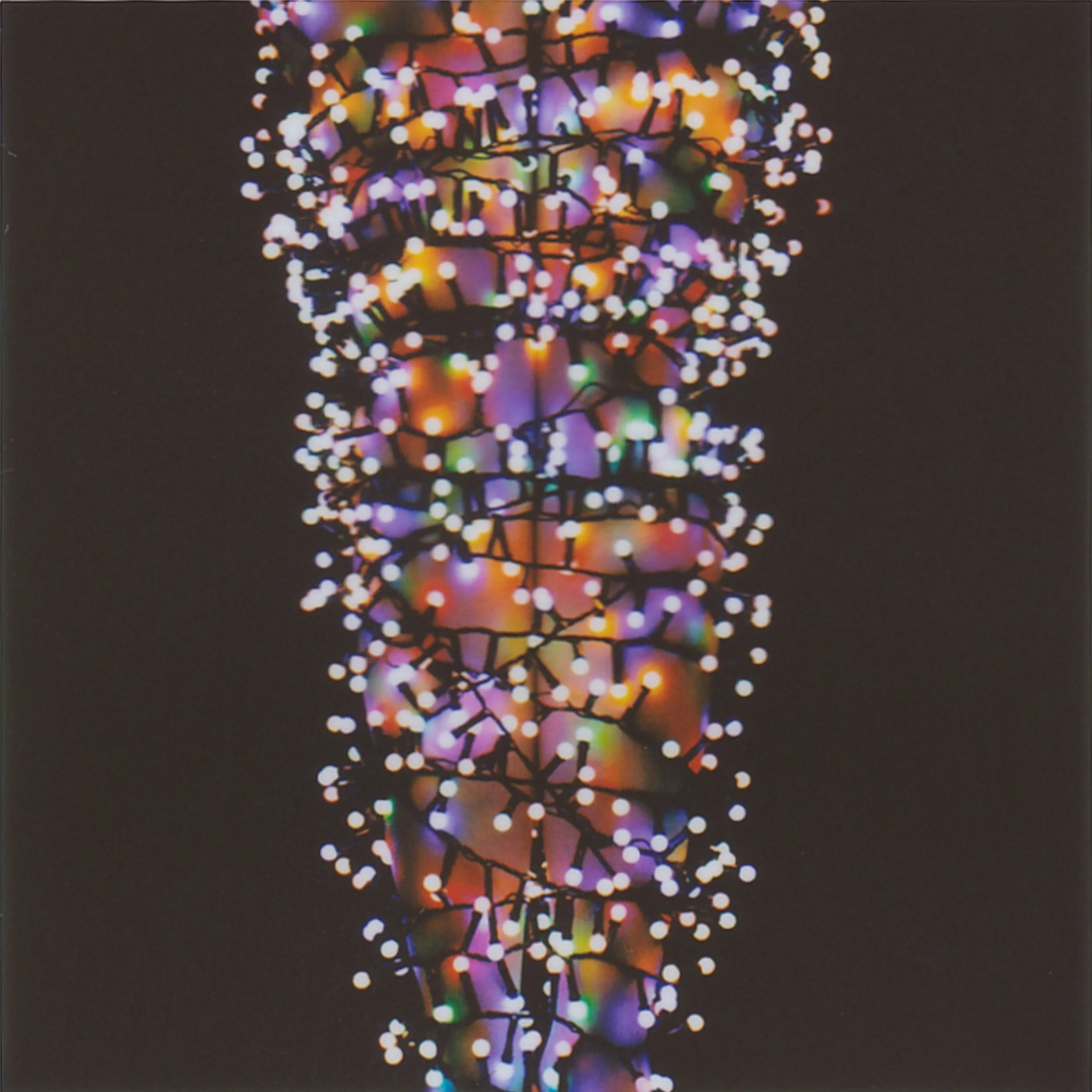
I fall asleep in the living room in front of the TV because the sofa in my room is broken and won’t unfold. The Christmas tree stands right before me; the main light is off, and only the fairy lights glow. I wait for my favorite mode—when all the lights shine at once. I want to see every one of them, all together.
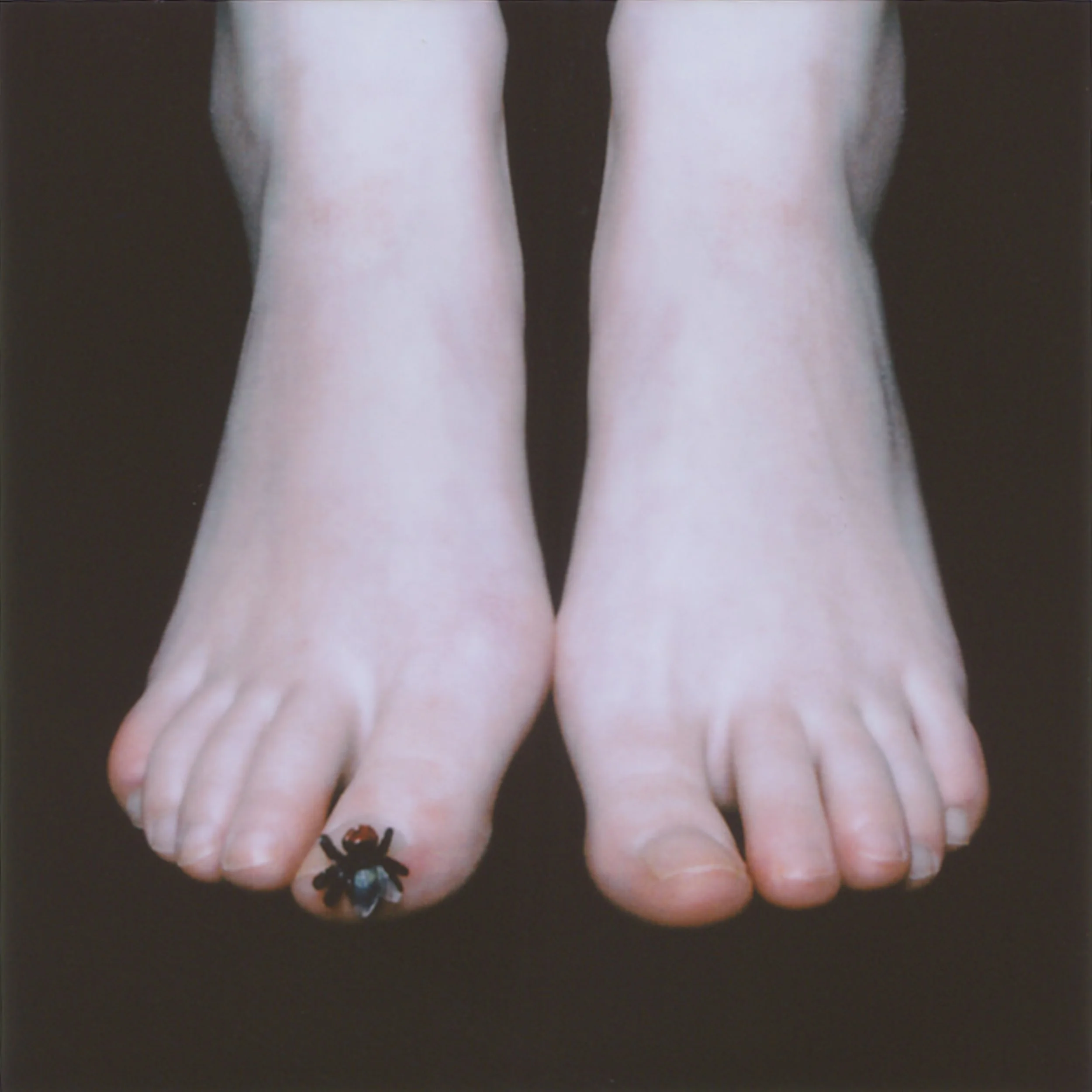
I sit on the sofa in the living room. I am five. Summer. Heat. I deliberately break the nail on my big toe. A fly darts in and lands on the bloody spot. I’m sure I will die from this contact and I start sobbing. One of my relatives comes over, trying to understand what happened. I don’t want to admit that I broke my own nail. I say the fly did it. For the first time, someone explain to me that I will not die.